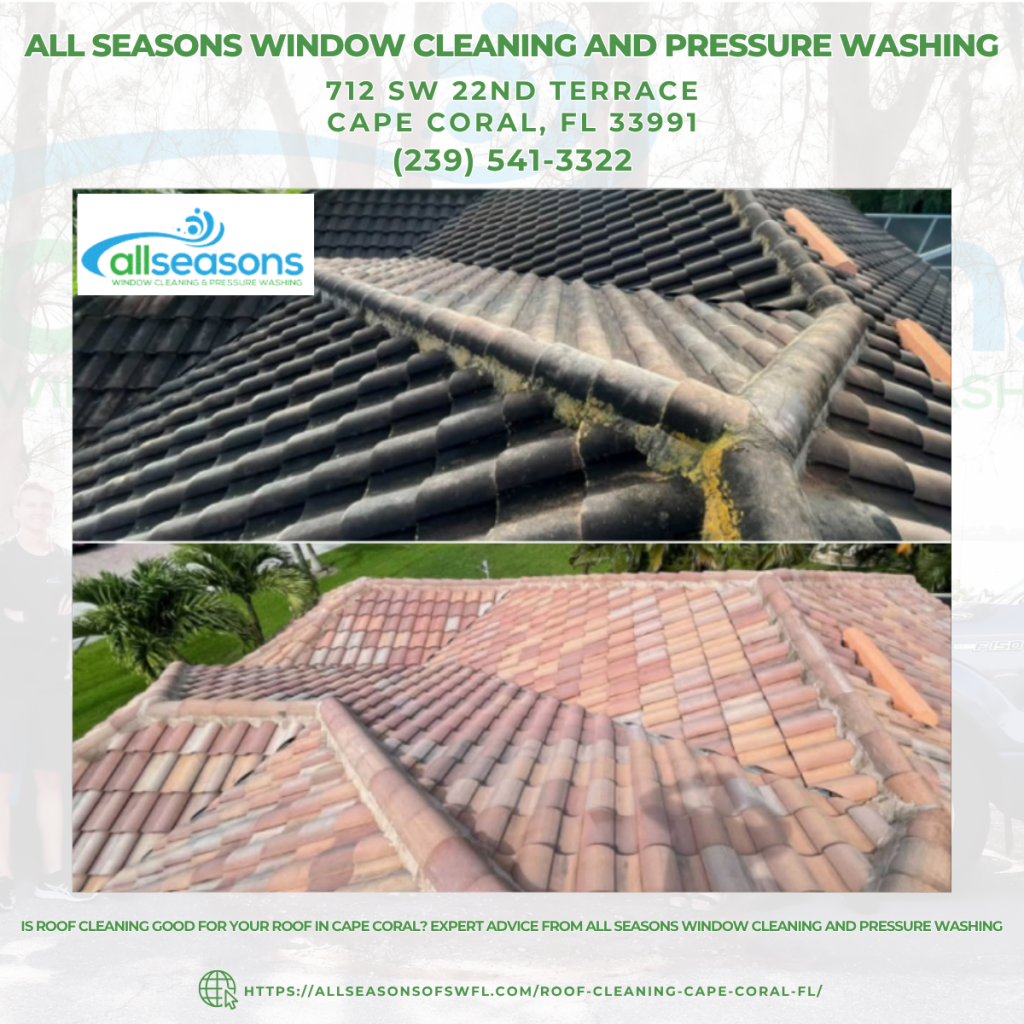
HOW LONG DOES A ROOF CLEANING LAST IN CAPE CORAL ALL SEASONS WINDOW CLEANING AND PRESSURE WASHING HAS THE ANSWER

How Long Does a Roof Cleaning Last in Cape Coral? All Seasons Window Cleaning and Pressure Washing Has the Answer

How Long Does a Roof Cleaning Last in Cape Coral? All Seasons Window Cleaning and Pressure Washing Has the Answer

A roof cleaning in Cape Coral typically lasts between one and three years before algae, mildew, and black streaks start creeping back — though the exact timeline depends on your roof’s material, how much shade it gets, and how close it sits to trees, canals, or sprinkler spray. If you’ve ever stood in your driveway squinting up at those dark streaks wondering “didn’t I just have this roof cleaned?” — you’re not imagining things. Southwest Florida’s climate is uniquely hard on roofs, and knowing what actually affects how long a cleaning holds up can save you money and help you plan ahead instead of getting caught off guard.

At All Seasons Window Cleaning and Pressure Washing, we get asked this question constantly, especially when it comes to roof cleaning Cape Coral homeowners need. So, let’s walk through what really determines how long your results will last and what you can do to stretch that timeline as far as possible.

Lorem ipsum dolor sit amet, consectetur adipiscing elit. Ut elit tellus, luctus nec ullamcorper mattis, pulvinar dapibus leo.

Why Roof Cleaning Doesn't Last Forever in Cape Coral

Before diving into the “how long,” it helps to understand the “why.” Cape Coral sits in a subtropical climate zone — hot, humid, and rainy for a good chunk of the year. That combination is basically a welcome mat for the algae, lichen, and mildew that cause those unsightly black streaks on your roof.

Gloeocapsa magma, the technical name for the algae responsible for most roof staining, thrives in moisture and warmth. It feeds on the limestone filler in many roofing materials, and once it takes hold, it spreads via wind, rain, and even birds. So even after a thorough roof cleaning Cape Coral homeowners invest in, the environmental conditions that caused the problem in the first place are still very much present. That’s not a knock on the cleaning — it’s just physics and biology doing what they do in a place with 60+ inches of annual rainfall and near-constant humidity.

This is exactly why the method matters. A proper roof-safe cleaning process doesn’t just rinse away visible grime — it uses a low-pressure application designed to treat the organic growth at the source, which is a big part of why results last as long as they do compared to a quick rinse that only removes surface dirt.

Average Timeline: What to Expect

For most Cape Coral homes, a professional roof cleaning Cape Coral service holds up for roughly 18 months to 3 years. That’s a wide range, and here’s why:

  • Tile roofs tend to hold results longer, often in the 2 to 3 year range, because tile is dense and less porous than some other materials, giving algae spores less to grab onto.
  • Shingle roofs typically fall on the shorter end, often needing attention again somewhere between 1 and 2 years, since asphalt shingles have more texture and granulation where organic material can settle in.
  • Metal roofs, when properly maintained, can sometimes go the longest between cleanings, though this depends heavily on the coating and slope.

These aren’t guarantees — they’re patterns we see across the hundreds of homes we’ve serviced. Your actual results will depend on the specific conditions around your property.

Factors That Speed Up or Slow Down Regrowth

If you’re trying to figure out where your home falls on that 18-month-to-3-year range, a few things make the biggest difference:

Shade and tree coverage. Homes tucked under oak canopies or surrounded by tall landscaping tend to see algae and mildew return faster, simply because shaded roof sections stay damp longer after rain. If your roof rarely sees direct sun, expect to be on the shorter end of the timeline.

Roof pitch. Steeper roofs shed water faster and dry out quicker, which slows down algae regrowth. Low-pitch or flat sections, on the other hand, tend to hold moisture and organic debris longer.

Proximity to water. Cape Coral is famous for its canals, and homes near water often deal with higher ambient humidity and salt exposure, both of which can affect how quickly staining returns after a roof cleaning.

Sprinkler overspray. This one surprises people, but if your irrigation system sprays onto the roof or lower edges of the roofline, that consistent moisture can accelerate algae growth in those specific spots.

Roof age and condition. Older roofs with worn or degraded surfaces tend to have more texture and micro-cracking, which gives algae spores more places to latch on compared to a newer, smoother surface.

Neighboring homes. Algae spores travel by wind, so if several homes on your street already have visible staining, you’re more likely to see quicker regrowth, especially on the side of your roof facing prevailing winds.

Does the Cleaning Method Actually Matter?

Yes — significantly. Not all roof cleaning services use the same approach, and the method used has a direct impact on how long the results last.

High-pressure washing might look like it does a great job at first, but it can actually strip protective granules off shingles or crack tile, which shortens the useful life of the roof and can make it more vulnerable to staining returning quickly, since a damaged surface is rougher and easier for organic material to grip.

A proper low-pressure, roof-safe process is designed specifically for the sensitivity of tile, shingle, and metal roofing. It doesn’t just wash away the visible black streaks — it treats the algae itself, which is why the results tend to last longer than a basic rinse. This is one of the biggest reasons homeowners searching for roof cleaning Cape Coral companies should ask directly about the process being used before booking, since the wrong technique can actually shorten your results and damage your roof in the process.

Signs It's Time for Another Cleaning

You don’t need to wait for your entire roof to look bad before scheduling another service. Keep an eye out for:

  • Faint dark streaks starting to reappear, especially on north-facing or shaded sections
  • Green or gray patches forming near roof valleys or edges
  • Lichen (the crusty, textured growth that looks almost like a rash) starting to spread
  • Visible buildup around vents, chimneys, or flashing

Catching these early signs means a quicker, more affordable cleaning, rather than waiting until staining has spread across the whole roof.

How to Extend the Life of Your Roof Cleaning

While you can’t stop Florida’s humidity, there are a few things that genuinely help stretch out the time between cleanings:

  1. Trim back overhanging branches to reduce shade and let more sunlight reach the roof surface.
  2. Adjust sprinklers so they aren’t hitting the roof or roofline directly.
  3. Keep gutters clear so water drains properly instead of pooling or backing up onto roofing material.
  4. Consider a protective treatment at the time of cleaning, since some algaecide applications are formulated to slow regrowth for longer than a standard cleaning alone.
  5. Schedule a light annual inspection so small patches of algae get caught and spot-treated before they spread.

Why Local Experience Matters

Not every roof behaves the same way, even within Cape Coral. A home near the river will face different conditions than one further inland, and a heavily shaded lot in a mature neighborhood will need more frequent attention than a newer build with a bare roofline. This is where local experience makes a real difference — a company that’s worked on hundreds of Cape Coral roofs has a much better sense of what your specific home is up against than a generic estimate ever could.

At All Seasons Window Cleaning and Pressure Washing, our approach to roof cleaning Cape Coral homeowners rely on is built around this local knowledge. We look at your roof’s material, pitch, shade exposure, and surrounding landscape before recommending a cleaning schedule, rather than applying a one-size-fits-all timeline.

Ready to Schedule Your Roof Cleaning?

So, how long does a roof cleaning last in Cape Coral? For most homes, somewhere between 18 months and 3 years, with tile roofs generally on the longer end and shingle roofs on the shorter end. Shade, pitch, humidity, sprinkler placement, and the cleaning method used all play a role in where your home falls on that spectrum.

If your roof is starting to show those first faint streaks, or if it’s simply been a while since your last service, a fresh roof cleaning Cape Coral residents trust can restore your home’s curb appeal and give you a clear sense of when to plan your next one.

Ready to find out where your roof stands? All Seasons Window Cleaning and Pressure Washing offers free estimates for roof cleaning Cape Coral homeowners can count on — call us at (239) 541-3322 to schedule your assessment today.

IS PRESSURE WASHING SAFE FOR CONCRETE IN CAPE CORAL ALL SEASONS WINDOW CLEANING AND PRESSURE WASHING HAS THE ANSWER

Is Pressure Washing Safe for Concrete in Cape Coral? All Seasons Window Cleaning and Pressure Washing Has the Answer

Is Pressure Washing Safe for Concrete in Cape Coral? All Seasons Window Cleaning and Pressure Washing Has the Answer

Yes, pressure washing is safe for concrete in Cape Coral when it’s done by a professional who understands the right pressure level, nozzle, and cleaning solution for your driveway, sidewalk, or patio — and that’s exactly the kind of experience All Seasons Window Cleaning and Pressure Washing brings to every job.

If you’ve ever worried that pressure washing might crack, pit, or “eat away” at your concrete, you’re not alone. It’s one of the most common questions we hear from homeowners across Cape Coral, and it’s a fair one. Concrete looks tough, but it’s also porous, and the wrong equipment in the wrong hands can absolutely cause damage. The good news is that when pressure washing is performed correctly, it’s one of the safest and most effective ways to restore a driveway, walkway, or pool deck without wearing down the surface underneath.

Why Cape Coral Concrete Gets Dirty So Fast

Southwest Florida isn’t kind to concrete. Between the heat, humidity, frequent rain, and salt air rolling in off the canals and Gulf, driveways and sidewalks in Cape Coral tend to collect algae, mildew, and dark staining much faster than concrete in drier climates. Add in sprinkler overspray, tree sap, rust from patio furniture, and everyday tire marks, and it’s easy to see why so many homeowners end up searching for a reliable pressure washing company in Cape Coral at some point.

That buildup isn’t just cosmetic. Algae and mildew retain moisture, and over time that moisture can work its way into small cracks and pores in the concrete. Left unaddressed, what starts as a green or black stain can contribute to bigger maintenance headaches down the road. Routine pressure washing helps keep that cycle from getting out of hand.

So, Is Pressure Washing Safe for Concrete? Here's the Real Answer

Concrete is a durable material, and in most cases it can handle a fair amount of water pressure without any issue. The risk isn’t really pressure washing itself — it’s improper pressure washing. A few things determine whether a concrete cleaning job goes smoothly or ends up causing problems:

  • PSI and nozzle angle. Using too much pressure at too close a distance, especially with a narrow-angle nozzle, can etch or “scar” the surface of the concrete. A trained technician adjusts pressure and distance based on the condition and age of the slab.
  • Surface condition. Older, more porous, or already-cracked concrete needs a gentler approach than a newer, denser slab.
  • Technique and consistency. Uneven passes or lingering too long in one spot can leave visible lines or lighter patches, sometimes called “tiger striping.” Professional pressure washing avoids this by using consistent, overlapping passes and, when needed, a surface cleaner attachment.
  • Cleaning solutions. The right pre-treatment breaks down algae, oil, and rust stains so the pressure washer isn’t doing all the work through brute force alone.

This is really the heart of it: pressure washing done by someone who knows what they’re doing is safe for concrete. Pressure washing done carelessly, with a rented machine and no experience, is where most of the horror stories come from. That’s the gap All Seasons is built to close.


Pressure Washing vs. Soft Washing: Which One Does Concrete Need?

Not every exterior surface should be cleaned the same way, and this is a distinction we explain to Cape Coral homeowners often. Pressure washing uses focused water pressure to mechanically strip away dirt, algae, and stains, and it’s typically the right call for hard, durable surfaces like concrete driveways, sidewalks, and pool decks. Soft washing, on the other hand, relies on lower pressure combined with a cleaning solution, and it’s better suited to more delicate surfaces like roofs, stucco, painted siding, and pool screens.

Concrete generally falls on the pressure washing side of that line, but the exact pressure still needs to be dialed in for the specific slab in front of us. That’s why a one-size-fits-all approach — the kind you’d get from a big-box rental machine — isn’t the same as professional pressure washing tailored to your property.

Where We Use Pressure Washing on Concrete Around Your Property

Driveways and Sidewalks

Oil spots, rust rings, tire marks, and algae are the most common complaints we hear about Cape Coral driveways. A thorough pre-treatment followed by surface-cleaner equipment gives a much more even, streak-free result than a standard wand alone.

Pool Decks

Pool decks take a beating from constant moisture, sunscreen residue, and foot traffic, which makes them prone to slick algae growth. Pressure washing restores traction as well as appearance, which matters for safety around the pool, not just curb appeal.

Pavers and Patios

Paver patios and walkways collect dirt and organic staining between the joints. Pressure washing lifts that buildup, and for homeowners who want a longer-lasting result, sealing afterward can help slow how quickly it returns.

Walkways and Entryways

First impressions matter, and a clean, algae-free walkway to your front door makes a noticeable difference — especially if you’re getting ready to list your home or just hosting guests.

Our Pressure Washing Process for Concrete

We keep our process straightforward because concrete cleaning doesn’t need to be complicated when it’s handled correctly.

  1. Inspection. We take a look at the concrete’s condition, age, staining, and any nearby landscaping, pool areas, or fixtures that need protecting before we start.
  2. Pre-treatment. A cleaning solution is applied to break down algae, mildew, oil, and rust so the pressure washing itself doesn’t have to rely on excessive force.
  3. Pressure washing. Using the appropriate PSI, nozzle, and surface-cleaner attachment for the slab, we clean the concrete evenly, working in consistent passes to avoid streaking.
  4. Rinse and final check. We rinse thoroughly, check edges and corners, and walk the finished area with you if you’d like to review the results.

The Benefits of Regular Pressure Washing for Concrete

Beyond just looking better, keeping up with pressure washing on a regular basis has some practical upsides:

  • Improved curb appeal. A clean driveway and walkway make the whole property look better maintained.
  • Safer walking surfaces. Removing algae and mildew reduces slickness, especially around pool decks.
  • Easier long-term maintenance. Routine cleaning helps prevent buildup from becoming deeply embedded, which makes future cleanings easier.

That said, we won’t tell you pressure washing is a permanent fix. How quickly algae or staining returns depends on shade, moisture, tree coverage, and how close your property is to a canal, so results vary from house to house.

Signs Your Concrete Is Overdue for Pressure Washing

  • Green, black, or gray staining that doesn’t wipe away
  • A slick or slippery feel, especially near the pool
  • Visible tire marks, rust rings, or oil stains
  • Concrete that looks noticeably darker than when it was installed

If any of that sounds familiar, it’s probably time to schedule a cleaning.

Why Cape Coral Homeowners Trust All Seasons for Pressure Washing

  • All Seasons Window Cleaning and Pressure Washing has built a reputation across Southwest Florida by treating every surface differently instead of blasting everything with the same pressure and calling it a day. We’re locally owned, bonded and insured, and we work with both residential and commercial properties throughout Cape Coral and the surrounding area.

    We also believe estimates should be straightforward. When you reach out, we’ll walk you through what your concrete needs, what the process involves, and what’s included in the price — no vague quotes, no surprises when we show up.

Frequently Asked Questions About Pressure Washing Concrete

  • Will pressure washing crack or damage my concrete? Not when it’s done correctly. Damage typically happens from excessive pressure, incorrect nozzles, or an inexperienced operator standing too close to the surface. Professional pressure washing is calibrated to the condition of your concrete.

    How often should I pressure wash my driveway in Cape Coral? It depends on shade, moisture, and how close you are to a canal, but many homeowners in our area schedule pressure washing once or twice a year to stay ahead of algae and staining.

    Can pressure washing remove oil and rust stains from concrete? In many cases, yes, especially with proper pre-treatment. Older or deeply set stains may not disappear completely, but pressure washing typically improves them significantly.

    Is pressure washing better than soft washing for my driveway? For concrete, pressure washing is usually the right method. Soft washing is generally reserved for more delicate surfaces like roofs and screens.

    Do I need to seal my concrete after pressure washing? It’s optional, but sealing pavers and some concrete surfaces after cleaning can help slow how quickly staining and algae return.

    Are you insured for pressure washing work on residential properties? Yes. All Seasons is bonded and insured, and we’re happy to provide documentation if you’d like it before the job starts.

    How much does pressure washing a driveway cost in Cape Coral? Pricing depends on the size of the area, the surface condition, and how much pre-treatment is needed. We provide free, no-obligation estimates so you know the cost upfront.

Get a Free Pressure Washing Estimate in Cape Coral

  • If you’ve been putting off cleaning your driveway, sidewalk, or pool deck because you’re worried about damage, that’s exactly the kind of concern we’re happy to talk through. All Seasons Window Cleaning and Pressure Washing has the experience to safely handle concrete throughout Cape Coral, using the right pressure, equipment, and technique for your specific property.

    Reach out today for a free, no-pressure estimate, and let us show you what professional pressure washing can do for your concrete.

CAN I PRESSURE WASH MY POOL DECK IN CAPE CORAL EXPERT ADVICE FROM ALL SEASONS WINDOW CLEANING AND PRESSURE WASHING (1)

Can I Pressure Wash My Pool Deck in Cape Coral? Expert Advice From All Seasons Window Cleaning and Pressure Washing

Can I Pressure Wash My Pool Deck in Cape Coral? Expert Advice From All Seasons Window Cleaning and Pressure Washing

Yes, you can pressure wash your pool deck in Cape Coral, but the real question homeowners should be asking is whether you should do it yourself or hand it off to a professional pressure washing company that understands local surfaces, safety concerns, and Florida’s relentless climate. If you’ve ever stepped out onto your lanai on a humid August morning and noticed a dull green tint creeping across your pavers, you already know the answer isn’t as simple as grabbing a rental machine from the hardware store and blasting away. At All Seasons Window Cleaning & Pressure Washing, we get this question constantly from Cape Coral homeowners, and we want to walk you through exactly what’s safe, what’s risky, and what actually gets long-lasting results.

Why Pool Decks in Cape Coral Need Special Attention

outdoor surfaces. The combination of near-constant humidity, heavy rainfall, and salt-laden air rolling in off the Caloosahatchee River and nearby Gulf waters creates the perfect breeding ground for algae, mold, and mildew. Pool decks are especially vulnerable because they sit in near-permanent moisture between splash-out, sprinkler overspray, and standing humidity.

Left untreated, that green and black grime doesn’t just look bad — it becomes a genuine slip hazard for kids running around the pool, guests at a backyard barbecue, or anyone walking barefoot after a swim. This is exactly why pressure washing your pool deck isn’t just a cosmetic choice in Southwest Florida; it’s a safety necessity. Regular pressure washing keeps your deck surface clean, slip-resistant, and protected against the kind of long-term staining that’s much harder (and more expensive) to remove once it sets in.

Can You Pressure Wash a Pool Deck Yourself?

Technically, yes — but there’s a lot more nuance here than most homeowners realize. Pool decks in Cape Coral are typically made from one of several materials: stamped concrete, travertine pavers, brick pavers, or textured aggregate. Each of these surfaces reacts differently to pressure washing, and using the wrong technique or pressure setting can cause real, sometimes permanent, damage.

For example, travertine and natural stone pavers are porous and can pit, chip, or lose their polished finish if blasted at too high a PSI or from too close a distance. Stamped concrete can have its decorative coating stripped away entirely by aggressive pressure washing, leaving behind a faded, patchy appearance that’s costly to repair. Even standard concrete can develop etching or surface erosion if a rented pressure washer is held in one spot too long.

This is where a lot of DIY projects go wrong. Homeowners rent a consumer-grade pressure washer, assume more pressure equals a cleaner result, and end up doing more harm than good. Professional pressure washing companies like All Seasons calibrate pressure levels, nozzle types, and cleaning solutions specifically to the surface material, so you get a deep clean without compromising the integrity of your deck.

Pool Deck, Lanai & Patio Cleaning: What's Actually Involved

When our team handles pool deck cleaning in Cape Coral, it’s never just a quick rinse. A proper pressure washing job for a pool area typically includes:

  • Surface inspection to identify the material type, existing damage, and problem areas like standing algae or rust stains from patio furniture
  • Pre-treatment with eco-friendly cleaning solutions that break down mold, mildew, and algae before any pressure is applied
  • Controlled pressure washing using the correct PSI and nozzle for pavers, concrete, or stamped surfaces
  • Detail work around pool edges, coping stones, and screen enclosure tracks where grime tends to build up
  • Final rinse and inspection to confirm an even, streak-free finish

We also pay close attention to lanai and screen enclosure cleaning during the same visit, since these areas often collect the same mildew and organic buildup as the deck itself. A full-service pressure washing visit means your entire outdoor living space — not just the concrete — gets the attention it needs.

Is It Safe for Pets and Kids?

This is one of the most common questions we hear, and it’s a fair one. Many big-box cleaning solutions contain harsh chemicals that can irritate skin, paws, or respiratory systems, especially in an enclosed lanai space. At All Seasons, we use pet- and family-safe, eco-friendly degreasers and cleaning agents specifically chosen for pool deck and patio environments. Once the surface has been rinsed and allowed to dry, it’s completely safe for kids and pets to be back out there enjoying the pool. If you have landscaping bordering your pool deck, we also take care to protect plants and grass from any runoff during the pressure washing process.

How Often Should You Pressure Wash Your Pool Deck?

Because of Cape Coral’s climate, pool decks accumulate algae and mildew faster than in most parts of the country. As a general rule, we recommend professional pressure washing every 6 to 12 months for residential pool areas, though homes closer to canals or with heavy tree coverage may need it more frequently. Commercial properties, HOA common areas, and community pool decks often benefit from a quarterly maintenance schedule to stay ahead of algae growth and keep liability risks low.

Waiting too long between cleanings allows algae to embed itself into porous surfaces like travertine, which makes future pressure washing jobs more intensive and can shorten the lifespan of sealants or coatings on your deck.

DIY vs. Professional Pressure Washing for Your Pool Area

We’re not going to tell you it’s impossible to pressure wash your own pool deck — plenty of homeowners do it. But here’s what tends to separate a DIY attempt from a professional pressure washing job:

DIY Risks:

  • Incorrect PSI settings that etch or pit stone and stamped concrete
  • Missed pre-treatment steps, leading to algae regrowth within weeks
  • Uneven cleaning patterns that leave visible “stripes” or patches
  • Potential injury from equipment kickback near wet, slippery pool edges
  • Harsh chemical runoff into pools, landscaping, or nearby waterways

Benefits of Professional Pressure Washing:

  • Equipment and techniques matched to your specific deck material
  • Eco-friendly, pet-safe cleaning solutions
  • Consistent, streak-free results across the entire surface
  • Licensed and insured service, so you’re covered if anything goes wrong
  • Time saved — most jobs are completed in a fraction of the time it would take a homeowner

For most Cape Coral homeowners, the cost of a professional pressure washing visit is far less than the cost of repairing or replacing a damaged deck surface caused by an over-aggressive DIY attempt.

What Does Pool Deck Pressure Washing Cost in Cape Coral?

Pricing for pool deck pressure washing depends on a few factors: the total square footage, the type of surface (pavers generally take more time and care than plain concrete), the severity of algae or staining, and whether the job includes adjacent areas like a screened lanai or pool cage frame. Because every backyard is different, we always recommend a free, no-obligation quote so you know exactly what to expect before any work begins. All Seasons prides itself on transparent, upfront pricing with no surprise fees.

Why Cape Coral Homeowners Trust All Seasons for Pool Deck Pressure Washing

We’re a locally owned and operated pressure washing company, licensed and insured, with years of experience cleaning pool decks, lanais, and patios throughout Cape Coral, Fort Myers, North Fort Myers, and the surrounding Lee County area. Our team understands the specific challenges of Southwest Florida surfaces — from travertine that needs a gentler touch to stamped concrete that requires the right chemical pre-treatment — and we back every job with a 100% satisfaction guarantee.

We’ve cleaned everything from small backyard pool decks to large community pool areas managed by HOAs and property managers, and we know how to get consistent, professional results without cutting corners.

Frequently Asked Questions

Can pressure washing damage my pool deck? It can, if done incorrectly. Using the wrong PSI or nozzle on porous stone or stamped concrete can cause pitting, chipping, or coating loss. Professional pressure washing services adjust their approach based on the material to avoid this.

How long does it take to pressure wash a pool deck? Most residential pool decks take a few hours from pre-treatment to final rinse, depending on size and the extent of algae or staining.

Do I need to be home during the service? Not necessarily, as long as our team has access to your pool area and any exterior water shut-offs if needed.

Will pressure washing remove rust stains from furniture? In many cases, yes. Rust and organic stains often respond well to the pre-treatment solutions used before pressure washing begins, though deeply set stains may require a specialized treatment.

Is soft washing better than pressure washing for pool decks? For hard surfaces like concrete and pavers, standard pressure washing (with the correct settings) is typically ideal. Soft washing is generally reserved for more delicate surfaces like roofs and siding.

Get a Free Pool Deck Pressure Washing Quote in Cape Coral

If your pool deck, lanai, or patio is looking dull, slippery, or stained, don’t risk a DIY pressure washing job that could cost you more in the long run. Call All Seasons Window Cleaning & Pressure Washing today at (239) 541-3322 for a free, no-obligation quote. We proudly serve Cape Coral, Fort Myers, North Fort Myers, Pine Island, and the greater Lee County area, and we stand behind every pressure washing job with our satisfaction guarantee.

All Seasons Window Cleaning & Pressure Washing 712 SW 22nd Terrace, Cape Coral, FL 33991 Phone: (239) 541-3322

CAN PRESSURE WASHING REMOVE RED CLAY STAINS IN CAPE CORAL ALL SEASONS WINDOW CLEANING AND PRESSURE WASHING HAS THE ANSWER

Can Pressure Washing Remove Red Clay Stains in Cape Coral? All Seasons Window Cleaning and Pressure Washing Has the Answer

Can Pressure Washing Remove Red Clay Stains in Cape Coral? All Seasons Window Cleaning and Pressure Washing Has the Answer

Yes, pressure washing Cape Coral homes and driveways can remove red clay stains in the vast majority of cases, but the outcome depends heavily on the surface, how long the stain has been setting in, and whether the technician uses the right pressure, chemistry, and technique. At All Seasons Window Cleaning and Pressure Washing, this is one of the questions we hear most often from homeowners across Cape Coral, and it deserves a real answer instead of a quick sales pitch.

If you’ve lived in Southwest Florida for any length of time, you already know the culprit. That rust-orange film creeping across your driveway, sidewalk, or the base of your exterior walls isn’t dirt in the traditional sense. It’s a mix of iron-rich soil, irrigation runoff, and organic staining that’s practically a rite of passage for homeowners here. The good news is that professional pressure washing Cape Coral residents rely on can typically restore those surfaces, and understanding why the stains form in the first place makes it much easier to keep them from coming back.

Why Red Clay Stains Are So Common in Cape Coral

Cape Coral sits on soil and groundwater with a naturally high iron content, and that iron oxidizes when it’s exposed to air and moisture, essentially rusting. Combine that with the region’s sprinkler systems, which often draw from well water loaded with dissolved iron, and you get a near-constant source of staining on driveways, sidewalks, pool decks, and even stucco walls near sprinkler heads. Add in heavy seasonal rain, high humidity, and sandy or clay-heavy soil that gets kicked up onto pavement, and it’s easy to see why so many local homes develop that reddish-orange discoloration within just a year or two of construction.

This is exactly the kind of local condition that makes pressure washing Cape Coral properties different from cleaning a driveway in a drier, iron-poor climate. A generic cleaning approach that works fine in other parts of the country often falls short here, because the staining isn’t surface-level dirt. It has often bonded chemically with the concrete or paver material itself.

Can Pressure Washing Alone Remove the Stains?

Straight water pressure, even at high PSI, will lift loose dirt, algae, and general grime, but red clay and iron staining are a different animal. In many cases, water pressure alone will lighten the stain without fully eliminating it, especially on porous surfaces like unsealed concrete, pavers, or shell-aggregate driveways. That’s why experienced technicians pair mechanical pressure with a targeted cleaning solution formulated to break the iron oxide bond, then finish with a controlled rinse.

This is where professional pressure washing Cape Coral homeowners trust really earns its value. Rather than blasting a surface and hoping for the best, a proper approach involves:

  1. Identifying the surface type — Concrete, pavers, stucco, and painted surfaces all react differently to both chemicals and pressure.
  2. Applying a rust- or iron-specific treatment — These solutions chemically neutralize the iron staining rather than just scrubbing at it.
  3. Allowing appropriate dwell time — Rushing this step is one of the most common reasons DIY cleaning fails.
  4. Using the correct pressure and nozzle for the material — Too much pressure on pavers or soft stucco can cause damage, while too little won’t lift a set-in stain.
  5. Rinsing thoroughly and checking results — A second treatment pass is sometimes needed for older or deeply set stains.

Pressure Washing vs. Soft Washing for Stained Surfaces

Not every surface with red clay staining should be blasted with high PSI. Painted exteriors, stucco, and certain roofing materials call for soft washing instead, which uses lower pressure combined with specialized cleaning agents to lift stains without stripping paint or damaging the substrate. Driveways, sidewalks, concrete patios, and pool decks, on the other hand, can typically handle standard high-pressure cleaning once the right technique is applied.

A company offering both approaches under one roof is genuinely valuable here. When you search for pressure washing Cape Coral companies, you’ll want one that doesn’t treat every surface the same way, because using the wrong method can mean either an incomplete result or, worse, damage that costs more to fix than the original stain.

What to Expect From a Professional Cleaning Visit

Homeowners often ask how long the process takes and what results they should expect. On a typical residential driveway or walkway, a full red clay stain treatment usually takes a few hours from inspection to final rinse, depending on the severity and square footage involved. Heavily set-in stains that have been building for several years may require a second application or a slightly longer dwell time for the cleaning solution to fully break down the iron bond.

It’s also worth setting realistic expectations. In rare cases where iron staining has deeply penetrated a highly porous or already-degraded surface, a small amount of faint discoloration may remain even after treatment. That said, the overwhelming majority of red clay and rust stains treated by pressure washing Cape Coral crews respond very well, often returning the surface to a condition close to its original color.

Common Surfaces Affected by Red Clay Staining

  • Driveways and walkways — The most visible and most commonly treated surface, especially where sprinklers overspray onto concrete.
  • Pool decks and lanais — Constant moisture and shade make these areas prone to both algae and iron staining.
  • House exteriors near sprinkler heads — Stucco and siding close to irrigation lines often show streaking over time.
  • Fences and retaining walls — Especially where soil runoff collects after heavy rain.
  • Pavers — Porous by nature, pavers can absorb iron staining more deeply than poured concrete, sometimes requiring a specialized sealant afterward to prevent recurrence.

If you’re noticing this kind of staining on more than one surface around your property, it’s usually a sign of an irrigation or drainage pattern that’s worth addressing alongside the cleaning itself. In older Cape Coral neighborhoods where landscaping has matured and sprinkler systems have shifted over the years, it’s common to see staining creep into places it never used to reach, like the edges of a lanai or the base of a mailbox post. A technician who’s spent time doing pressure washing Cape Coral properties will usually recognize these patterns right away and can point out likely causes while they work, not just clean around them.

It’s also worth noting that not all reddish discoloration is iron staining. Some homes develop reddish-brown patches from algae or organic buildup rather than mineral deposits, and the two can look nearly identical to an untrained eye. The cleaning approach for each is different, which is another reason a proper inspection matters more than guessing based on color alone. Mixing up the two can lead to a treatment that doesn’t fully resolve the problem, or one that’s more aggressive than the surface actually needs.

How to Prevent Red Clay Stains From Coming Back

  • Cleaning is only half the equation. Because Cape Coral’s soil and water conditions are the root cause, prevention matters just as much as removal. A few steps homeowners can take include:

    • Adjusting sprinkler heads so they don’t spray directly onto concrete, pavers, or stucco.
    • Installing a whole-house water filtration or iron-reduction system if well water is the irrigation source.
    • Applying a penetrating sealant to driveways and pavers after cleaning, which makes future staining easier to remove.
    • Scheduling routine maintenance cleanings rather than waiting for stains to fully set in, since fresh staining is always easier to lift than staining that’s had years to bond with the surface.

    Routine, scheduled pressure washing Cape Coral homeowners set up on a seasonal or annual basis tends to cost less over time than waiting for heavy staining to build up and require multiple treatment passes.

    It also helps to think about timing. Late spring and early summer, right before the heaviest rains of the wet season, tend to be a good window for a maintenance cleaning, since it gives surfaces a clean start before months of humidity and runoff. Homeowners who schedule around this seasonal pattern often notice that stains take longer to reappear, and when they do return, they’re much lighter and easier to remove than staining that’s been left to build for a full year or more.

Why Choose All Seasons Window Cleaning and Pressure Washing

  • We’re a local team that understands the specific conditions Cape Coral properties deal with, from iron-rich well water to salt air and heavy seasonal humidity. Our technicians assess each surface individually rather than applying a one-size-fits-all approach, and we carry the right equipment and cleaning agents for everything from delicate stucco to heavily stained concrete driveways. Being insured, experienced, and locally based means we’re familiar with the exact staining patterns that show up across different neighborhoods in the area, and we back our work with clear communication from the initial estimate through the final walkthrough.

    When people search for pressure washing Cape Coral services, what they’re really looking for is a company that can diagnose the actual cause of a stain, not just spray water and hope for the best. That diagnostic approach is what separates a lasting result from a temporary fix.

Recent Work in Cape Coral

  • Across neighborhoods throughout Cape Coral, we’ve treated everything from driveways with years of built-up iron staining to pool decks with stubborn algae-and-rust combinations. In most before-and-after cases, surfaces that looked permanently discolored were restored to a near-original appearance after a single thorough treatment, with some paver and concrete surfaces requiring a follow-up sealant application to help protect the results long term.

Service Areas Around Cape Coral

  • While Cape Coral is our primary focus, we also serve surrounding communities throughout Lee County that deal with the same iron-rich soil and irrigation challenges. If you’re located just outside the city limits and dealing with similar staining issues, it’s worth reaching out to see if your area falls within our service range.

FAQs About Red Clay Stains and Pressure Washing in Cape Coral

  • Will pressure washing completely remove red clay stains? In most cases, yes, especially when the stain is treated promptly and the correct cleaning solution is used alongside proper pressure. Older, deeply set stains may need a second pass.

    Is pressure washing safe for pavers and stucco? High pressure isn’t always appropriate for pavers or stucco. Soft washing or reduced-pressure techniques are usually recommended for these surfaces to avoid damage.

    How often should I schedule pressure washing to prevent staining? Most Cape Coral homeowners benefit from a cleaning every six to twelve months, depending on irrigation exposure and how much iron is present in their water source.

    Can I remove red clay stains myself? DIY pressure washers can sometimes lighten staining, but without a rust-specific treatment and proper dwell time, the iron bond usually isn’t fully broken, and consumer-grade equipment can also risk surface damage if used incorrectly.

    Do you offer both residential and commercial pressure washing in Cape Coral? Yes, we handle both residential properties and commercial locations, including driveways, walkways, building exteriors, and shared outdoor spaces.

Get a Free Pressure Washing Quote in Cape Coral

  • If red clay staining has taken over your driveway, walkway, pool deck, or exterior walls, professional pressure washing Cape Coral homeowners rely on can typically bring those surfaces back. All Seasons Window Cleaning and Pressure Washing offers free, no-obligation quotes for both residential and commercial properties throughout the area. Reach out today to schedule an inspection and get a straightforward estimate for restoring your property’s curb appeal.

Can Pressure Washing Damage Pavers in Cape Coral All Seasons Window Cleaning and Pressure Washing Has the Answer

Can Pressure Washing Damage Pavers in Cape Coral? All Seasons Window Cleaning and Pressure Washing Has the Answer

Can Pressure Washing Damage Pavers in Cape Coral? All Seasons Window Cleaning and Pressure Washing Has the Answer

Yes, pressure washing can damage pavers in Cape Coral if it’s done incorrectly, but when it’s handled by trained professionals using the right pressure, equipment, and technique, it’s actually one of the safest and most effective ways to restore your outdoor surfaces. This is one of the most common questions homeowners ask before booking a service, and it’s a fair one. Pavers are an investment, and nobody wants to trade dirty, algae-covered walkways for cracked, chipped, or faded ones. At All Seasons Window Cleaning and Pressure Washing, we get this question all the time from homeowners searching for pressure washing Cape Coral services, and we think it deserves a real, honest answer.

Why This Question Matters So Much in Cape Coral

Cape Coral’s climate is beautiful, but it’s tough on outdoor surfaces. The heat, humidity, and frequent rain create the perfect environment for algae, mold, mildew, and dirt to build up fast on pavers, driveways, pool decks, and patios. That means most homeowners in this area need pressure washing more often than people living in drier climates. But that same climate also means many homeowners have heard horror stories, maybe from a neighbor who hired an inexperienced crew, or a DIY attempt that went wrong. So the concern about paver damage is understandable, and it’s why we always recommend working with a company that specializes in pressure washing Cape Coral homeowners can actually trust.

It also helps to understand that not every exterior cleaning job is the same. A homeowner searching for pressure washing near me is often comparing several companies at once, and the difference between a good result and a damaged driveway usually comes down to experience, not the equipment itself. Two crews can show up with the same machine and get very different results depending on how much they understand about surface types, water pressure, and technique.

The truth is, pavers themselves are quite durable. They’re made from concrete, clay brick, or natural stone, and they’re designed to handle outdoor wear and tear, foot traffic, vehicle weight in some cases, and constant exposure to the elements. What actually causes damage isn’t the concept of pressure washing itself. It’s improper technique.

How Pressure Washing Can Damage Pavers When Done Wrong

There are a few specific mistakes that lead to paver damage, and understanding them helps explain why professional pressure washing Cape Coral services matter so much.

The first and most common issue is using too much pressure, too close to the surface. Standard pressure washers can generate enough force to etch or gouge softer paver materials, especially at close range. When someone holds the wand just a few inches from the surface and blasts away without adjusting the pressure or nozzle angle, it can strip away the top layer of the paver, leaving behind rough, uneven patches or visible lines.

The second issue is joint sand erosion. Pavers are typically installed with sand in the joints between each piece, which helps lock them in place and prevents shifting. Aggressive pressure washing can blast this sand right out of the joints, weakening the structure of the paver bed. Over time, this can lead to pavers becoming loose, uneven, or prone to shifting underfoot.

Third, using the wrong nozzle or spray pattern matters more than most people realize. A narrow, concentrated nozzle designed for stripping paint or removing rust is far too aggressive for most paver surfaces. Without the right equipment and a wider fan pattern, even a well-meaning DIY attempt can leave streaks or damage.

Finally, there’s the issue of technique and consistency. Uneven passes, where some areas get more exposure to the water pressure than others, can create a blotchy, inconsistent look, even if no actual structural damage occurs. This is more of a cosmetic issue, but it’s still frustrating for homeowners who just wanted clean, uniform-looking pavers.

Why Professional Soft Washing and Controlled Pressure Washing Protect Your Pavers

This is exactly why the method matters as much as the equipment. At All Seasons Window Cleaning and Pressure Washing, our approach to pressure washing Cape Coral properties always starts with an inspection of the paver material, its age, and its condition before we ever turn on the equipment.

For most paver cleaning jobs, we use a combination of appropriate pressure settings, wide-fan nozzles, and, when needed, soft washing techniques that rely more on specialized cleaning solutions than brute force. Soft washing uses lower pressure combined with cleaning agents that break down algae, mold, and organic buildup at the source, so the water pressure itself doesn’t have to do all the work. This is especially useful for softer or more decorative paver materials that could be more vulnerable to high-pressure damage.

We also pay close attention to the joint sand between pavers. After cleaning, if we notice the sand has become low or displaced, we can recommend re-sanding to keep the pavers stable and properly locked in place. This is a step a lot of inexperienced pressure washing crews skip entirely, which is part of why paver damage happens more often than it should.

Consistent, even passes across the entire surface are another part of doing the job right. Our technicians are trained to maintain a steady distance and angle from the surface throughout the entire cleaning process, which means no random hot spots, no streaking, and no inconsistent results.

What Makes Pavers More or Less Vulnerable

Not all pavers are created equal, and that’s an important piece of this conversation. Concrete pavers tend to be the most durable and can typically handle a wider range of pressure settings safely. Natural stone pavers, like travertine or flagstone, often require a gentler approach because they can be more porous and prone to surface wear. Clay brick pavers fall somewhere in between, generally durable but still sensitive to overly aggressive cleaning.

The age and condition of your pavers also play a role. Older pavers that have already experienced some wear, cracking, or sealant breakdown are naturally more vulnerable to damage from high pressure than newer, well-maintained pavers. This is another reason why a professional assessment before cleaning begins is so valuable. A trained technician doing pressure washing Cape Coral homeowners rely on will adjust their approach based on exactly what they’re working with, rather than using a one-size-fits-all method on every job.

Sealed pavers versus unsealed pavers is another factor. If your pavers have a protective sealant, that sealant can act as a buffer against pressure and staining, but it can also degrade over time if the wrong cleaning method is used. Unsealed pavers are more porous and more likely to absorb dirt and stains deeply, but they’re also more forgiving of nozzle contact in some cases, depending on the material.

This is precisely why a cookie-cutter approach doesn’t work well for exterior cleaning. Every property we service under our pressure washing Cape Coral program starts with a walk-through of the surfaces involved, so we can match the technique to the material rather than applying the same settings to every driveway, patio, and pool deck we encounter.

Signs Your Pavers Actually Need Professional Cleaning

If you’re noticing algae streaks, dark mold spots, slippery patches, or a general dingy appearance on your driveway, walkway, patio, or pool deck, those are all signs it’s time to consider pressure washing. Cape Coral’s humidity accelerates this kind of buildup, and letting it sit too long doesn’t just look bad, it can actually make surfaces more slippery and hazardous, especially around pool areas.

Waiting too long between cleanings can also make the eventual cleaning process more intensive, which ironically increases the risk of needing higher pressure to remove deeply embedded grime. Regular, scheduled pressure washing actually reduces the likelihood of ever needing an aggressive deep clean that could stress the paver surface.

The Bottom Line on Pressure Washing and Pavers

So, can pressure washing damage pavers in Cape Coral? It absolutely can, if it’s done by someone without the training, equipment, or experience to do it correctly. But that risk isn’t a reason to avoid pressure washing altogether. It’s a reason to be selective about who you hire.

Professional pressure washing Cape Coral homeowners trust doesn’t just clean the surface, it protects the investment underneath. The right pressure settings, the right nozzles, attention to joint sand, and a trained eye for different paver materials all work together to deliver clean, refreshed pavers without any of the damage that gives pressure washing a bad reputation in some circles.

At All Seasons Window Cleaning and Pressure Washing, we’ve built our process around getting this balance right every time. Whether it’s a driveway, a pool deck, a patio, or a walkway, we treat every paver surface with the care it deserves, using techniques suited to that specific material and condition, not a generic blast-and-go approach.

Get Pavers Cleaned the Right Way

If you’ve been putting off cleaning your pavers because you’re worried about damage, that hesitation is completely reasonable, but it doesn’t have to hold you back any longer. With the right team handling the job, pressure washing Cape Coral properties should leave you with brighter, cleaner surfaces and zero regrets.

Reach out to All Seasons Window Cleaning and Pressure Washing today for a free quote. We’ll assess your pavers, walk you through our process, and make sure your driveway, patio, or pool deck gets the safe, thorough cleaning it deserves.

WHAT DO YOU SPRAY BEFORE PRESSURE WASHING IN CAPE CORAL EXPERT TIPS FROM ALL SEASONS WINDOW CLEANING AND PRESSURE WASHING

What Do You Spray Before Pressure Washing in Cape Coral? Expert Tips From All Seasons Window Cleaning and Pressure Washing

What Do You Spray Before Pressure Washing in Cape Coral? Expert Tips From All Seasons Window Cleaning and Pressure Washing

Before any pressure washing Cape Coral job begins, the crew at All Seasons Window Cleaning & Pressure Washing applies a pre-treatment solution — usually a blend of biodegradable detergent, algaecide, and mildewcide — to break down dirt, mold, and algae so the surface can be rinsed clean without damage. If you’ve ever watched a professional crew show up to a house washing Cape Coral job and spray something on the siding before they ever turn on the machine, you’ve seen this step in action. It’s one of the most misunderstood parts of the entire process, and it’s also the reason a professional soft washing Cape Coral service gets dramatically better results than a homeowner with a rented pressure washer and a garden hose attachment.

In this guide, we’re pulling back the curtain on exactly what goes into our pre-treatment sprays, why each ingredient matters, and how the right chemistry — paired with the right pressure — protects your home while delivering a deeper clean. Whether you’re comparing pressure washing Cape Coral FL companies or just curious about the process, this breakdown will help you understand what separates a quick rinse from a real exterior cleaning Cape Coral transformation.

Why Pre-Treatment Spray Comes Before the Pressure

Southwest Florida’s humidity, heavy rainfall, and year-round warmth create the perfect breeding ground for algae, mold, mildew, and organic buildup on exterior surfaces. That black streaking you see on roofs, the green film on pool decks, and the dark blotches climbing up stucco walls aren’t just dirt — they’re living organisms with roots that cling to the surface.

Blasting these contaminants with high pressure alone doesn’t kill them; it just knocks off the visible layer while leaving the roots behind, which means the staining returns within weeks. That’s why every pressure washing Cape Coral service worth hiring starts with a chemical pre-treatment. The spray is formulated to penetrate and kill organic growth at the root, loosen grease and oil stains, and break the bond between grime and the surface. Once that bond is broken, a much lower level of pressure is needed to rinse everything away — which is safer for your siding, roof shingles, pavers, and paint.

What's Actually in the Spray?

The exact mix depends on the surface, but most professional pre-treatment solutions include a combination of the following:

Sodium Hypochlorite (Commercial-Grade Bleach Solution)

Diluted to a safe concentration, this is the workhorse ingredient for killing algae, mold, and mildew spores. It’s especially effective on roofs, where black streaks are caused by a bacteria called Gloeocapsa magma.

Surfactants and Detergents

These break the surface tension of water and lift oil, grease, and everyday grime, which is essential for driveway cleaning Cape Coral and concrete cleaning jobs where tire marks, rust, and oil stains have set into the pores of the concrete.

Algaecides and Mildewcides

Formulated specifically to prevent regrowth, these are applied after the initial clean on surfaces prone to fast recontamination, like lanai cleaning Cape Coral and pool deck cleaning projects.

Neutralizing Agents

On sensitive surfaces, a neutralizing rinse is applied afterward to protect landscaping, plants, and painted surfaces from any lingering chemical residue.

Every solution is diluted and balanced specifically for the surface being treated — what works for a concrete driveway would be far too aggressive for painted siding or a screened lanai.

Different Surfaces Need Different Sprays

One of the biggest mistakes DIY pressure washers make is using the same solution — or no solution at all — across every surface. Professionals treat each area of the property differently.

House Washing (Soft Washing)

For siding, stucco, and vinyl, we use a low-pressure soft washing Cape Coral approach paired with a gentle cleaning solution designed to kill mold and algae without stripping paint or damaging caulking.

Roof Cleaning

Roof cleaning Cape Coral FL work uses a specialized soft wash roof treatment applied at very low pressure — high pressure on shingles can strip granules and shorten the life of your roof. The spray does the heavy lifting; the rinse just washes away what’s already been broken down.

Driveway & Sidewalk Cleaning

Concrete surfaces can handle a stronger detergent and higher pressure, which is ideal for lifting embedded oil stains and years of dirt.

Patio, Pool Deck & Lanai Cleaning

These Florida-specific outdoor living areas often use pavers or screened enclosures, so the pre-treatment is adjusted to avoid damaging grout lines or aluminum screening.

Commercial Pressure Washing

Storefronts and parking lots typically need a stronger degreasing pre-treatment to handle gum, tire marks, and heavy foot traffic buildup — which is also why so many commercial pressure washing Cape Coral clients call us before a big seasonal event or annual inspection.

Why Choose All Seasons Window Cleaning & Pressure Washing

Getting the pre-treatment formula right takes experience. Too weak, and the cleaning won’t last. Too strong, and you risk damaging paint, landscaping, or protective coatings. As a trusted provider of pressure washing Cape Coral service, we’ve refined our process across hundreds of Southwest Florida properties.

Licensed & Insured Professionals

Every technician is trained on proper chemical dilution ratios and application techniques for each surface type.

Eco-Friendly Cleaning Solutions

We use biodegradable detergents whenever possible to protect your landscaping, pets, and the surrounding Cape Coral canals and waterways.

100% Satisfaction Guarantee

If the results aren’t right, we come back and make it right.

Affordable & Transparent Pricing

No surprise fees — you’ll know exactly what’s being applied and why before we start.

We’re also proud to work alongside property management Fort Myers companies that oversee rental homes, condos, and multi-unit communities. If you handle a portfolio for property management Fort Myers clients, you already know how important consistent exterior maintenance is for tenant satisfaction and curb appeal — and it’s a service we provide on a recurring schedule for several property management Fort Myers partners.

Benefits of Proper Pre-Treatment Before Pressure Washing

Protect Your Home from Florida Mold & Mildew

Killing organic growth at the root means it takes far longer to return, protecting your siding and roofing investment.

Boost Curb Appeal Instantly

A proper pre-treatment lifts stains that pressure alone can’t touch, giving driveways, siding, and roofs a like-new appearance.

Extend Surface Lifespan

Lower pressure combined with the right chemistry means less wear on paint, shingles, and grout — extending the life of every surface we touch.

This is also why so many of the property management Fort Myers teams we work with schedule pressure washing on a quarterly or biannual basis: it’s far cheaper to maintain a property’s exterior than to repair damage caused by long-term algae and mold growth.

Our Pressure Washing Process

  • Inspection & Surface Assessment — We walk the property to identify surface types, staining severity, and any areas needing extra care.
  • Pre-Treatment & Detergents — The appropriate spray is applied and given time to penetrate and break down buildup.
  • Safe Pressure/Soft Wash Cleaning — Using the correct pressure level for each surface, we rinse away the loosened grime.
  • Final Rinse & Quality Check — A thorough rinse removes all residue, followed by a walkthrough to confirm results meet our standard.

Pressure Washing in Cape Coral vs. DIY Cleaning

  • Risk of Surface Damage

    Without the right pre-treatment, DIY pressure washing often relies on excessive pressure to compensate — which can strip paint, gouge wood, or crack stucco.

    Ineffective Cleaning Results

    Skipping the chemical step means algae and mold roots stay behind, so stains reappear within weeks instead of lasting months.

    Time & Cost Considerations

    Renting equipment, buying the wrong chemicals, and redoing sections often costs more — in time and money — than hiring a professional pressure washing Cape Coral team from the start.

Service Areas Near Cape Coral, FL

  • In addition to Cape Coral, we proudly provide pressure washing near Cape Coral throughout Southwest Florida, including:

    • Fort Myers — including ongoing contracts with property management Fort Myers offices maintaining rental and commercial properties
    • North Fort Myers
    • Pine Island
    • Surrounding Lee County Areas

    If you oversee a portfolio for property management Fort Myers, we offer flexible scheduling to work around tenant turnover, inspections, and seasonal maintenance windows.

Customer Reviews & Testimonials

  • Our pressure washing Cape Coral reviews consistently highlight our attention to detail, punctuality, and the visible difference our pre-treatment process makes — especially on roofs and driveways that hadn’t been cleaned in years. Property owners and property management Fort Myers contacts alike tell us the same thing: the results last far longer than what they got from previous providers.

Frequently Asked Questions About Pressure Washing in Cape Coral

  • How much does pressure washing cost in Cape Coral? Pricing depends on the size of the property, the surfaces being cleaned, and the level of staining. We provide free, no-obligation quotes for homeowners and for property management Fort Myers companies managing multiple units.

    How often should I pressure wash my home in Florida? Most homes benefit from a cleaning every 6–12 months due to Florida’s humidity and algae growth. Commercial properties and those managed under property management Fort Myers contracts often opt for quarterly service to keep buildings inspection-ready.

    Is soft washing better than pressure washing? For roofs and siding, yes — soft washing uses lower pressure and a targeted chemical treatment to clean without damaging the surface.

    How long does pressure washing take? Most residential jobs take a few hours; commercial properties or larger portfolios coordinated through property management Fort Myers may take a full day depending on scope.

    Do I need to be home during the service? Not necessarily, as long as we have access to exterior water and the areas being cleaned.

    What surfaces can be pressure washed? Siding, stucco, roofs, driveways, sidewalks, pool decks, lanais, fences, and commercial storefronts can all be safely cleaned with the right technique and pre-treatment.

Get a Free Pressure Washing Quote in Cape Coral

  • Ready to see the difference the right pre-treatment spray makes? Whether you’re a homeowner tackling algae stains or a property management Fort Myers professional maintaining a portfolio of properties, All Seasons Window Cleaning & Pressure Washing is ready to help.

Call All Seasons Window Cleaning & Pressure Washing Today

  • Don’t let mold, algae, and grime take over your property. Contact us today for a free pressure washing Cape Coral FL quote, and ask about our recurring maintenance plans built for both homeowners and property management Fort Myers clients across Lee County.

IS ANNUAL PRESSURE WASHING ENOUGH IN CAPE CORAL EXPERT ADVICE FROM ALL SEASONS WINDOW CLEANING AND PRESSURE WASHING

Is Annual Pressure Washing Enough in Cape Coral? Expert Advice From All Seasons Window Cleaning and Pressure Washing

Is Annual Pressure Washing Enough in Cape Coral? Expert Advice From All Seasons Window Cleaning and Pressure Washing

For most homes, once-a-year pressure washing Cape Coral simply isn’t enough — Florida’s humidity, heavy rains, and year-round sun cause algae, mold, and grime to creep back long before the next scheduled wash, and the team at All Seasons Window Cleaning and Pressure Washing sees this every day on properties across the region.

If you’ve ever wondered why your driveway looks streaky again just eight months after your last cleaning, or why algae seems to reappear on your roofline every summer, you’re not imagining things. Cape Coral’s climate is uniquely hard on exterior surfaces, and understanding why can help you make smarter decisions about how often you should schedule service.

Why Cape Coral's Climate Works Against a "Once a Year" Plan

Cape Coral sits in a humid subtropical zone with a long rainy season, high year-round humidity, and intense UV exposure. That combination creates the perfect environment for algae, mildew, and mold to thrive — especially on north-facing walls, shaded driveways, and roofs that stay damp longer after storms.

When homeowners rely on pressure washing Cape Coral companies only once every twelve months, they’re often cleaning reactively instead of preventively. By the time staining is visible to the eye, organic growth has usually already worked its way into the pores of concrete, stucco, or shingles. This is why so many of our Cape Coral pressure washing services clients end up scheduling more frequent visits after their first professional clean — they notice how much longer the results last with a proactive plan.

What "Enough" Really Depends On

There’s no single answer that applies to every property. How often you need exterior cleaning Cape Coral FL homeowners rely on depends on a few key factors:

  • Sun exposure – Shaded areas near trees or fences hold moisture longer and grow algae faster.
  • Proximity to canals or water – Waterfront homes, which are common throughout Cape Coral, often experience faster mildew buildup due to added humidity.
  • Surface material – Stucco, pavers, shingles, and concrete all age differently and hold onto organic growth at different rates.
  • Landscaping – Sprinklers hitting siding daily, or heavy tree cover, accelerate staining.

For many homes, twice-a-year service strikes the right balance. For others — particularly those in shaded, low-airflow areas — quarterly touch-ups on high-growth zones like the north side of the house or the roofline can prevent the kind of deep staining that becomes expensive to remove later.

House Washing: Soft Washing vs. Pressure Washing

One of the most common questions we get is about soft washing Cape Coral homeowners request versus traditional high-pressure cleaning. House washing Cape Coral properties need is almost always done with soft washing — a low-pressure method combined with specialized cleaning solutions that kill algae and mold at the root, rather than just blasting it off the surface.

This matters because siding, stucco, and painted surfaces can be damaged by high-pressure equipment if it’s used incorrectly. Soft washing is gentler, safer for your home’s exterior, and produces longer-lasting results because it addresses the biological growth itself, not just what’s visible.

Driveways, Sidewalks, and the Truth About Oil Stains

Driveway cleaning Cape Coral residents ask about most often involves oil stains, tire marks, and the black streaks caused by algae and airborne mold spores. Unlike house washing, driveway and sidewalk surfaces typically do benefit from higher pressure since concrete is far more durable than siding.

Regular concrete cleaning not only improves curb appeal, it also removes the organic buildup that makes surfaces slippery — a real safety concern, especially around pool decks and walkways after Florida’s frequent rain.

Roof Cleaning: The Most Overlooked Maintenance Task

Roof cleaning Cape Coral homeowners often delay the longest, mainly because it’s harder to see day to day. But those dark streaks on shingles or tile aren’t just cosmetic — they’re colonies of algae that feed on the limestone filler in asphalt shingles, gradually shortening the life of your roof.

We always use a roof soft washing method rather than high-pressure equipment, since pressure can strip granules and void manufacturer warranties. A gentle, low-pressure application removes algae safely while protecting the integrity of the roofing material — an approach every reputable best pressure washing company Cape Coral offers should be using.

Pool Decks, Patios, and Pavers

Outdoor living spaces take a beating in Florida. Paver cleaning Cape Coral homeowners need typically addresses efflorescence (that white, chalky mineral buildup), mold in the joints, and general grime from pool chemicals and foot traffic. If you have sealed pavers, we also recommend re-sealing after cleaning to lock in that fresh look and make future maintenance easier.

Commercial Properties Need a Plan Too

While most of our conversations center around residential homes, a large share of our business comes from commercial pressure washing Cape Coral contracts — storefronts, HOA common areas, condo buildings, and parking lots that need to stay presentable for customers and residents alike.

Multi-unit and rental properties in particular benefit from a consistent pressure washing Cape Coral schedule rather than a once-a-year visit. Buildings with several tenants tend to show grime, algae, and driveway staining faster simply because of the added foot traffic, irrigation, and shared outdoor space. A building that neglects regular pressure washing Cape Coral service risks tenant complaints, faster surface deterioration, and lower curb appeal whenever a unit turns over.

We work directly with several commercial clients to build recurring pressure washing Cape Coral maintenance schedules that keep every building looking sharp year-round, rather than waiting for a problem to become visible. For owners juggling multiple buildings, having one dependable pressure washing Cape Coral vendor for the whole portfolio — instead of coordinating a new company for every property — saves time and keeps standards consistent.

If you oversee a commercial or multi-unit property and haven’t set up a recurring pressure washing Cape Coral plan, it’s worth a conversation. A single missed cleaning cycle can lead to algae staining that’s far more expensive to remove once it sets in — a cost most property owners would rather avoid.

Why Homeowners Choose All Seasons Window Cleaning and Pressure Washing

There’s no shortage of companies offering exterior cleaning in Southwest Florida, but a few things set us apart as a reliable pressure washing Cape Coral homeowners can count on year after year.

Licensed and Insured Professionals — Every technician on our team is fully licensed and insured, so you’re protected in the rare event anything goes wrong during service.

Eco-Friendly Cleaning Solutions — We use biodegradable, environmentally responsible cleaning agents that are safe for your landscaping, pets, and the canals and waterways Cape Coral is known for.

Affordable Pricing & Free Estimates — We provide upfront, no-obligation quotes so you know exactly what to expect before any work begins.

5-Star Local Reputation — Our growing collection of Cape Coral pressure washing reviews reflects the same thing: customers who called us for one job and stayed with us for annual or seasonal maintenance plans.

The Real Benefits of Staying Ahead of Buildup

Understanding the benefits of pressure washing helps explain why a proactive schedule beats a reactive one:

  • Boosts curb appeal — A clean exterior is often the first thing neighbors, buyers, and guests notice.
  • Prevents damage and costly repairs — Algae and mold don’t just look bad; they degrade roofing materials, stucco, and concrete over time.
  • Increases property value — Well-maintained exteriors matter at resale and during appraisals.
  • Creates a healthier living environment — Mold and mildew near entryways and windows can affect indoor air quality, particularly for households with allergies.

Our Pressure Washing Process

Every job follows a consistent, transparent process:

Step 1: Inspection & Quote — We evaluate your property’s specific needs and provide a clear, itemized estimate.

Step 2: Surface Preparation — Furniture, plants, and sensitive areas are protected before we begin.

Step 3: Cleaning Application — We use the appropriate method — soft washing for siding and roofs, higher pressure for concrete — based on the surface.

Step 4: Rinse & Final Check — A thorough rinse removes all residue, followed by a walkthrough to confirm you’re satisfied with the results.

Serving Cape Coral and Nearby Areas

In addition to pressure washing near Cape Coral, we regularly serve Fort Myers, North Fort Myers, and surrounding Lee County communities. This regional reach is part of why so many pressure washing Cape Coral companies rely on us — we can service properties across multiple cities without them needing to hire separate vendors for each location.

Frequently Asked Questions

How much does pressure washing cost in Cape Coral? Pressure washing Cape Coral cost varies based on square footage, surface type, and level of buildup, but most homeowners can expect a free, itemized quote before any work begins.

How often should I pressure wash my home in Florida? Most homes benefit from cleaning every 6 to 12 months, though shaded or waterfront properties often need more frequent attention.

Is pressure washing safe for roofs and siding? Yes, when done correctly. We use soft washing on roofs and siding specifically to avoid damage that high pressure can cause.

What’s the difference between soft washing and pressure washing? Soft washing vs pressure washing comes down to pressure level and technique — soft washing uses low pressure and specialized solutions for delicate surfaces, while pressure washing uses higher force suited for concrete and hardscapes.

Do I need to be home during the service? No, as long as we have access to the exterior and any relevant outdoor water or power connections.

How long does pressure washing take? Most residential jobs take between 1 and 4 hours depending on the size and scope of the property.

Get a Free Pressure Washing Quote Today

If it’s been a while since your last cleaning, don’t wait for visible staining to take action. Request a free pressure washing quote Cape Coral homeowners trust by calling us today, and let us help you build a maintenance plan — residential or through a pressure washing Cape Coral portfolio — that keeps your property looking its best all year long.

Contact All Seasons Window Cleaning and Pressure Washing

Ready to get started? Contact pressure washing Cape Coral experts at All Seasons Window Cleaning and Pressure Washing for a free estimate, honest advice, and a cleaning plan built around your property’s specific needs.

Is Pressure Washing a Hard Job in Cape Coral All Seasons Window Cleaning and Pressure Washing Has the Answer

Is Pressure Washing a Hard Job in Cape Coral? All Seasons Window Cleaning and Pressure Washing Has the Answer

Is Pressure Washing a Hard Job in Cape Coral? All Seasons Window Cleaning and Pressure Washing Has the Answer

Yes, pressure washing in Cape Coral is a genuinely hard job — and if you’ve ever tried to tackle a mildew-streaked driveway or a moss-covered roof yourself on a humid Florida afternoon, you already know why. Between the relentless heat, the salt air rolling in off the Caloosahatchee, and the algae that seems to grow back overnight, keeping a home’s exterior clean here takes more than a garden hose and a Saturday off. That’s exactly why so many homeowners turn to a professional local pressure washing company instead of going the DIY route.

At All Seasons Window Cleaning and Pressure Washing, we get calls every week from people who started a cleaning project themselves and quickly realized it wasn’t as simple as it looked. This article breaks down why pressure washing Cape Coral properties is more demanding than most people expect, what our Cape Coral pressure washing services actually involve, and how you can get your home or business looking its best without risking damage — or your weekend. If you’ve been searching for reliable pressure washing Cape Coral professionals, you’re in the right place.

Our Pressure Washing Services in Cape Coral

Cape Coral’s climate is uniquely tough on exterior surfaces. High humidity, frequent rain, and salt-laden air create the perfect environment for mold, mildew, and algae to thrive. That’s why our service list covers nearly every exterior surface on a typical property, and why pressure washing Cape Coral properties requires a different approach than in drier climates.

House Washing

House washing Cape Coral homeowners rely on isn’t the same as blasting siding with a high-pressure nozzle. We use soft washing Cape Coral techniques — lower pressure combined with specialized cleaning solutions — to safely lift dirt, mold, and algae from siding, stucco, and painted surfaces without cracking paint or forcing water behind panels. Soft washing is gentler, but it’s also more technical, which is part of what makes this job harder than it looks.

Driveway and Sidewalk Cleaning

Oil stains, tire marks, and rust spots build up fast on Florida concrete. Our driveway cleaning Cape Coral service uses commercial-grade equipment and degreasers to lift stains that a standard pressure washer alone won’t touch. Concrete cleaning Cape Coral projects like these instantly improve curb appeal, which matters whether you’re selling your home or just tired of looking at a gray, grimy driveway.

Roof Cleaning (Soft Wash)

Few tasks intimidate homeowners more than roof cleaning Cape Coral projects, and for good reason — a mistake up there can mean voided warranties, damaged shingles, or a trip to the emergency room. We use soft wash roof cleaning methods specifically designed to remove black streaks and algae without damaging shingles or tiles, and our process is fully compliant with most HOA guidelines around here.

Pool Deck and Patio Cleaning

Algae on a pool deck isn’t just unsightly — it’s a slip hazard. Our patio cleaning Cape Coral and pool deck cleaning services remove buildup safely, restoring traction and appearance without etching or discoloring pavers, brick, or stamped concrete.

Commercial Pressure Washing

Storefronts, parking lots, and shared walkways take a beating from foot traffic and weather. Our commercial pressure washing Cape Coral service helps business owners maintain a professional first impression while meeting property maintenance standards required by many commercial leases and HOAs.

Why Pressure Washing Is Harder Than It Looks

If you’ve ever rented a pressure washer from a hardware store and thought, “how hard can this be?” — you’re not alone. Here’s what makes pressure washing Cape Coral homes genuinely difficult, even for capable DIYers.

Every surface reacts differently. Stucco, wood siding, pavers, shingles, and painted surfaces all have different tolerances for pressure and chemicals. Too much force on the wrong material can strip paint, crack tile, or force water into places it shouldn’t go.

Chemical mixing requires knowledge. Effective soft washing vs pressure washing decisions depend on the surface and the type of buildup involved — mold, algae, rust, or oil each need a different approach. Get the mix wrong and you either waste time or damage the surface.

Equipment matters. Commercial-grade machines generate consistent pressure and flow that consumer-grade rentals simply can’t match, which is a big reason DIY results often look uneven or incomplete.

Safety is a real concern. Roof work, second-story siding, and ladder-based cleaning all carry fall risk, and electrical fixtures near a home’s exterior add another layer of danger if you’re not experienced.

Why Choose All Seasons Window Cleaning and Pressure Washing?

Local Cape Coral Expertise

Because we specialize in local pressure washing Cape Coral work, we understand exactly how salt exposure, humidity, and seasonal storms affect homes in this area. That local knowledge shapes every decision we make on a job, from chemical selection to timing.

Safe Soft Washing Methods

Understanding soft washing vs pressure washing is at the core of what we do. High pressure isn’t always the answer — sometimes it’s the exact wrong one. We choose the safest, most effective method for each surface rather than defaulting to maximum power.

Licensed and Insured Professionals

Our team is licensed and insured, which protects your property and gives you peace of mind that any accident or unexpected issue is covered.

100% Satisfaction Guarantee

We stand behind our work. If something isn’t right, we make it right — no arguments, no upsells.

Benefits of Professional Pressure Washing in Cape Coral

Understanding the benefits of pressure washing helps explain why so many Cape Coral homeowners treat it as routine maintenance rather than an occasional luxury.

Boost Curb Appeal and Property Value. A clean exterior is one of the fastest, most affordable ways to improve how a home looks and shows.

Prevent Damage from Mold and Algae. Left untreated, mold and algae can eat into stucco, wood, and roofing materials over time, leading to costly repairs.

Extend the Life of Surfaces. Regular exterior cleaning Cape Coral service helps driveways, siding, and roofs last longer by preventing the slow degradation that buildup causes.

Health and Safety Improvements. Removing mold and algae reduces allergens around your home and eliminates slippery, hazardous walkways and pool decks.

Our Pressure Washing Process

We follow a consistent, transparent pressure washing process on every job so you know exactly what to expect. It’s this structured approach that sets professional pressure washing Cape Coral service apart from a rented machine and a free Saturday.

Step 1 – Property Inspection. We walk the property first to identify surface types, problem areas, and any risks before we start.

Step 2 – Pre-Treatment Application. Stubborn stains, mold, and algae get treated with the right solution before any water pressure is applied.

Step 3 – Safe Cleaning Method. Depending on the surface, we use either soft washing or standard pressure washing — never a one-size-fits-all approach.

Step 4 – Final Rinse and Quality Check. We finish with a thorough rinse and a final walkthrough to confirm the results meet our standards and yours.

This professional cleaning method is part of why our results consistently outperform DIY attempts, even when the person doing the DIY work is genuinely handy.

Areas We Serve Around Cape Coral, FL

We proudly offer pressure washing near Cape Coral to homeowners and businesses throughout the region. Our Cape Coral FL service areas include neighborhoods across Cape Coral as well as nearby communities in Fort Myers and North Fort Myers. If you’re unsure whether your address falls within our service range, just give us a call.

How Much Does Pressure Washing Cost in Cape Coral?

Pressure washing cost Cape Coral homeowners can expect to pay depends on a few key factors.

Factors That Affect Pricing

Property size, surface type, and the current condition of the area being cleaned all play a role. A driveway with light dirt costs less to clean than one with years of oil stains and rust buildup.

Average Price Ranges

While every property is different, most residential jobs fall within a moderate, predictable range once we’ve inspected the property and scoped the work. We aim to keep our affordable pressure washing rates competitive without cutting corners on quality.

Free Estimates Available

We offer free, no-obligation estimates so you know the cost upfront before any work begins.

Customer Reviews and Testimonials

Our customers consistently point to the same things: professionalism, punctuality, and results that hold up. Homeowners across Cape Coral have shared their experiences in pressure washing reviews Cape Coral residents trust when choosing a service provider, often highlighting how much cleaner their driveways, roofs, and siding look after just one visit.

FAQs About Pressure Washing in Cape Coral

Here are answers to some of the most common pressure washing FAQs Cape Coral homeowners ask us.

How often should I pressure wash my home in Cape Coral? Most homes benefit from a professional cleaning once or twice a year, though homes near water or heavy tree cover may need it more often due to faster algae growth.

Is pressure washing safe for all surfaces? Not with high pressure alone. That’s why we use soft washing on delicate surfaces like stucco, painted wood, and shingles.

What is the difference between pressure washing and soft washing? Pressure washing uses high water pressure for tough surfaces like concrete, while soft washing uses lower pressure and specialized solutions for more delicate materials.

How long does a typical service take? Most residential jobs take a few hours, depending on the size of the property and the number of surfaces being cleaned.

Do I need to be home during the service? Not necessarily, as long as we have access to the exterior areas being cleaned and, if needed, a water source.

Can pressure washing remove oil stains and mold? Yes. With the right pre-treatment and technique, oil stains, mold, and algae can typically be removed effectively.

Before and After Pressure Washing Results

Nothing tells the story better than the visual difference. Our pressure washing before and after Cape Coral projects consistently show dramatic transformations — driveways that go from gray and stained to bright and clean, roofs that lose years of black streaking, and siding that looks freshly painted without a drop of paint used.

Get a Free Pressure Washing Quote in Cape Coral Today

So, is pressure washing a hard job in Cape Coral? Without question — the climate, surface variety, and safety risks make pressure washing Cape Coral properties far more technical than it appears. But that’s exactly why All Seasons Window Cleaning and Pressure Washing exists: to handle the hard part so you don’t have to.

If you’re ready to see the difference professional care can make, reach out for your free pressure washing quote Cape Coral homeowners have come to rely on. Give us a call, fill out our online form, or reach out today to schedule your service — we’re standing by to help.

Ready to get started? Contact our pressure washing service today for your free, no-obligation estimate.

IS ROOF CLEANING GOOD FOR YOUR ROOF IN CAPE CORAL_ EXPERT ADVICE FROM ALL SEASONS WINDOW CLEANING AND PRESSURE WASHING

Is Roof Cleaning Good for Your Roof in Cape Coral? Expert Advice From All Seasons Window Cleaning and Pressure Washing

Is Roof Cleaning Good for Your Roof in Cape Coral? Expert Advice From All Seasons Window Cleaning and Pressure Washing

Yes, roof cleaning is good for your roof in Cape Coral, and when it’s done correctly, it can actually extend your roof’s lifespan rather than shorten it — which is a question a lot of local homeowners understandably ask before they let anyone climb up there with chemicals or a hose. If you’ve noticed dark streaks, green patches, or a general “dingy” look creeping across your shingles or tiles, you’re not imagining things, and you’re definitely not alone. Southwest Florida’s heat and humidity create the perfect breeding ground for algae, mold, and mildew, and roof cleaning Cape Coral homeowners rely on is one of the most overlooked forms of home maintenance in the area. In this guide, we’ll walk through why it matters, how it’s done safely, what it costs, and how often you should be doing it — straight from the team at All Seasons Window Cleaning & Pressure Washing.

Why Roof Cleaning Is Essential in Cape Coral, FL

If you’ve lived in Cape Coral for more than a summer, you already know how relentless the humidity can be. That moisture, combined with plenty of sun and warm temperatures, creates ideal conditions for a specific type of algae called Gloeocapsa magma. This is the organism responsible for those black streaks roof Florida homeowners see running down their shingles, and it’s not just cosmetic — it feeds on the limestone filler in asphalt shingles, which means it can genuinely damage your roof over time.

Prevent Costly Roof Damage

Algae on roof Cape Coral homes doesn’t just sit there looking bad. Left untreated, it retains moisture against the roofing material, which can lead to premature granule loss, wood rot in the decking below, and a shortened overall lifespan for your roof. A roof that might otherwise last 20-25 years can start showing structural wear far earlier if algae, moss, and organic debris are allowed to build up unchecked. Routine roof maintenance Cape Coral residents invest in now is almost always cheaper than a full roof replacement later.

Improve Curb Appeal Instantly

There’s also a simpler, more immediate reason to clean your roof: it makes your whole house look better. A roof covered in streaks and algae can make even a freshly painted home look neglected, while a clean roof does wonders for curb appeal — especially if you’re getting ready to sell or just want your property to look its best in the neighborhood.

Meet HOA and Insurance Requirements

Many Cape Coral communities have HOAs with specific standards for roof appearance and condition, and some insurance companies are also starting to factor roof cleanliness and condition into policy renewals or underwriting. A professionally cleaned roof helps you stay compliant on both fronts without the stress of a violation notice or a surprise insurance issue.

Our Roof Cleaning Process (Soft Wash Method)

This is where the “is it good for your roof” question really gets answered. Not all roof cleaning is created equal, and the method matters just as much as the fact that it’s being done at all.

Inspection and Roof Assessment

Every job starts with a walk-around inspection. We identify your roof type — tile, shingle, or metal — along with its current condition, any areas of heavier algae growth, and any spots that might need extra care or a different approach.

Application of Cleaning Solution

Next comes the actual cleaning agent. We use eco-safe chemicals formulated specifically to kill algae, mold, and mildew at the root, not just strip away the surface staining. These solutions are applied at low pressure and left to work, which is what actually eliminates the organism rather than just knocking the visible growth off temporarily.

Gentle Rinse and Protection

Here’s the key distinction: this is soft wash roof cleaning, not pressure washing. A gentle rinse follows the application, and because we’re using low pressure roof cleaning Cape Coral techniques rather than a high-powered blast, there’s no risk of dislodging granules, cracking tiles, or forcing water beneath your shingles. This is precisely why soft wash roof cleaning is considered safe, and why aggressive pressure washing on a roof is generally something we advise against — it can do more harm than the algae ever would.

Types of Roofs We Clean in Cape Coral

Cape Coral homes come in a wide mix of roofing materials, and each one calls for a slightly different technique.

Tile Roof Cleaning

Tile roof cleaning Cape Coral homeowners need is especially delicate work. Tiles can crack or shift under too much pressure, so the soft wash method is really the only responsible way to clean them without risking breakage.

Asphalt Shingle Roof Cleaning

Shingle roof cleaning Cape Coral properties require careful attention to granule retention. Since shingles rely on those granules for UV protection, our low-pressure approach keeps them intact while still removing algae and stains.

Metal Roof Cleaning

Metal roofs are more resistant to pressure but can still show streaking, oxidation, and mineral buildup. We adjust our solution and rinse technique to protect any coatings or finishes while restoring a clean, uniform appearance.

Why Choose All Seasons Window Cleaning & Pressure Washing

If you’re comparing options, it helps to know what actually separates a good roof cleaning company from one that might leave you with a bigger problem than you started with.

Licensed and Insured Professionals

We’re fully licensed and insured, which protects you and your property throughout the entire job — something worth confirming with any professional roof cleaners Cape Coral homeowners are considering.

Local Cape Coral Experience

We know this climate. Years of working on roofs throughout the area have taught us exactly how Florida’s algae and humidity behave, and how to treat them effectively the first time.

Safe, Non-Damaging Cleaning Methods

Our entire process is built around protecting your roof, not just cleaning it. That’s the difference between best roof cleaning Cape Coral results and a rushed job that trades short-term shine for long-term damage.

100% Satisfaction Guarantee

We stand behind our work. If something isn’t right, we make it right.

Roof Cleaning Before and After Results

The transformation from a stained, algae-covered roof to a clean one is often dramatic enough that neighbors ask who did the work. Roof cleaning before and after comparisons consistently show the same story: streaks gone, color restored, and a roof that looks years younger. Algae removal roof results like this aren’t just about appearance either — they’re a visible sign that the organic growth causing long-term damage has been eliminated.

How Often Should You Clean Your Roof in Cape Coral?

Given our climate, most homes benefit from a cleaning every one to three years, though this can vary based on tree coverage, roof shading, and how much direct sun your roof gets. A shaded, humid roof will grow algae faster than one that gets consistent sunlight throughout the day. If you’re wondering how often roof cleaning Florida homes really need, a good rule of thumb is to have your roof inspected annually and cleaned as soon as streaking becomes visible, rather than waiting for it to spread. Sticking to a consistent roof maintenance schedule is the single easiest way to protect your investment.

Roof Cleaning Cost in Cape Coral, FL

Factors That Affect Pricing

Roof cleaning cost Cape Coral homeowners can expect will depend on a few key factors: the size of your roof, its pitch (steeper roofs require more time and safety equipment), the roofing material, and how severe the algae or staining is. A single-story home with light staining will cost less than a steep, multi-story roof with years of buildup.

Get a Free Quote Today

Because every roof is different, we recommend getting a roof cleaning estimate tailored to your specific property rather than relying on a generic price. It only takes a few minutes, and it gives you an accurate picture before any work begins.

Service Areas Near Cape Coral

In addition to Cape Coral, we proudly provide roof cleaning Fort Myers homeowners trust, along with roof cleaning North Fort Myers residents rely on, and other surrounding Southwest Florida communities. Wherever you are in the area, our soft wash approach stays the same: safe, effective, and built to protect your roof.

Frequently Asked Questions (FAQ)

How much does roof cleaning cost in Cape Coral? Pricing depends on roof size, pitch, material, and the extent of algae or staining, which is why we recommend a free, personalized quote.

Is soft washing safe for my roof? Yes. Soft washing uses low pressure combined with algae-killing solutions, making it safe for tile, shingle, and metal roofs when done by trained professionals.

How long does roof cleaning last in Florida? Most homeowners can expect clean results to last one to three years, depending on shade, humidity exposure, and surrounding vegetation.

Will roof cleaning damage shingles or tiles? Not when the soft wash method is used correctly. High-pressure washing can cause damage, which is exactly why we avoid it and rely on low-pressure application instead.

Do you need to be home during the service? No, you don’t need to be present, though we’re happy to walk you through the process beforehand or answer questions afterward if you’d like.

Get a Free Roof Cleaning Estimate in Cape Coral Today

If your roof is showing algae, black streaks, or general buildup, now is the right time to act before the problem grows and the damage becomes more costly to reverse. Reach out for a free roof cleaning estimate Cape Coral homeowners can count on, and see why so many in the area call roof cleaning service experts at All Seasons Window Cleaning & Pressure Washing when they want the job done right the first time. Contact us today to schedule your assessment and get your roof looking — and performing — like new.

HOW TO REMOVE MOLD FROM A ROOF IN CAPE CORAL_ EXPERT TIPS FROM ALL SEASONS WINDOW CLEANING AND PRESSURE WASHING

How to Remove Mold From a Roof in Cape Coral? Expert Tips From All Seasons Window Cleaning and Pressure Washing

How to Remove Mold From a Roof in Cape Coral? Expert Tips From All Seasons Window Cleaning and Pressure Washing

The most effective way to remove mold from a roof in Cape Coral’s humid environment is by using a low-pressure soft wash method rather than high-pressure blasting. If you’ve noticed dark streaks, greenish patches, or a general “dirty” look creeping across your shingles or tiles, you’re probably dealing with roof mold — and if you live in Cape Coral, you’re far from alone. Between the humidity, the afternoon rain showers, and the heavy tree cover in many neighborhoods, local roofs are practically an open invitation for mold, mildew, and algae to move in. The good news is that removing mold from a roof doesn’t have to mean a full replacement or a risky DIY project. With the right approach — and the right professionals — you can restore your roof’s appearance and protect its lifespan at the same time.

In this guide, the team behind All Seasons roof cleaning Cape Coral services breaks down exactly what causes roof mold in Southwest Florida, why it matters, and the safest, most effective ways to get rid of it for good.

Why Roof Mold Is So Common in Cape Coral

Cape Coral’s climate is basically a recipe for roof mold. Warm temperatures, high humidity, and frequent rainfall create the perfect environment for algae, mold spores, and mildew to take hold on roofing materials. What most homeowners assume is simple dirt or aging shingles is often actually a living organism — most commonly a type of blue-green algae called Gloeocapsa magma, which produces the dark streaks you see on so many rooftops around town.

Because this organism feeds on the limestone filler in asphalt shingles, it doesn’t just sit on the surface — it can actually break down roofing material over time. Left untreated, that means a shortened roof lifespan, reduced curb appeal, and in some cases, HOA compliance issues for homeowners in deed-restricted communities across Cape Coral.

Signs Your Roof Has Mold, Algae, or Mildew

Before jumping into removal, it helps to know exactly what you’re dealing with. Common warning signs include:

  • Black or dark green streaks running down the roof slope
  • Fuzzy or slimy patches, especially in shaded areas
  • A musty smell coming from the attic or roofline
  • Discoloration that spreads gradually across tile or shingle roofs
  • Moss or algae buildup near valleys, gutters, or north-facing sections of the roof

If any of this sounds familiar, it’s time to look into professional roof cleaning Cape Coral services before the problem spreads further.

Why You Shouldn't Ignore Roof Mold

It’s tempting to think of roof mold as a cosmetic issue, but it’s about much more than curb appeal. Ignoring mold growth can lead to:

  • Shortened roof lifespan: Algae and mold gradually eat away at shingle granules and roofing materials.
  • Higher energy bills: Dark mold buildup absorbs more heat, which can push your cooling costs up during Cape Coral’s hot months.
  • Structural damage: In severe cases, prolonged moisture retention from mold and mildew can lead to wood rot or deck damage underneath roofing materials.
  • Lower resale value: A stained, mold-covered roof is one of the first things potential buyers notice.
  • HOA violations: Many Cape Coral communities have strict exterior maintenance standards, and a moldy roof can trigger a compliance notice.

Simply put, roof mold isn’t something to put off. The earlier it’s addressed, the less damage — and less cost — you’re looking at down the road.

The Safest Way to Remove Mold From a Roof: Soft Washing

Here’s where a lot of homeowners get it wrong. The instinct is to grab a pressure washer and blast the mold away, but high-pressure washing on a roof is one of the fastest ways to cause real damage. Pressure washing can strip granules off shingles, crack tiles, force water beneath flashing, and void manufacturer warranties.

That’s why our roof cleaning Cape Coral team uses soft wash roof cleaning — a low-pressure method that relies on specialized, eco-friendly cleaning solutions to kill mold, algae, and mildew at the root, rather than trying to physically blast it off.

Here’s how the process typically works:

1. Inspection and Preparation

Every job starts with a full roof assessment. The team checks for the type and extent of mold or algae growth, identifies the roofing material (tile, shingle, or metal), and takes steps to protect landscaping, plants, and surrounding surfaces before any cleaning begins.

2. Application of a Soft Wash Solution

Next, a specially formulated, low-pressure cleaning solution is applied across the affected areas. Unlike pressure washing, this method doesn’t rely on force — it relies on chemistry. The solution penetrates the algae and mold at the root, breaking it down instead of just knocking it off the surface, which is a big reason soft washing produces longer-lasting results than pressure washing alone.

3. Gentle Rinse and Final Inspection

Once the solution has had time to work, the roof is given a low-pressure rinse to clear away residue, followed by a final walk-through to make sure every streak, patch, and problem area has been fully addressed.

The result: a roof that looks years younger, without the risk that comes with high-pressure equipment.

Roof Cleaning vs. Pressure Washing — What's the Real Difference?

This is one of the most common points of confusion for homeowners searching for roof cleaning Cape Coral, so it’s worth spelling out clearly.

Soft washing is designed specifically for delicate surfaces like roofing. It’s low-impact, kills mold and algae at the source, and won’t damage shingles, tiles, or seals.

Pressure washing uses high-force water spray, which is great for driveways, sidewalks, and some siding — but far too aggressive for most roofing materials. Used incorrectly, it can lift shingles, crack tiles, and drive water into places it was never meant to go.

At All Seasons, pressure washing has its place — just not on your roof. That’s why soft washing is the go-to method for safe, professional mold removal.

Can You Remove Roof Mold Yourself?

Some homeowners attempt DIY mold removal with a garden hose and store-bought cleaner, and while that might knock down a little surface discoloration, it rarely solves the underlying problem — and it comes with real risks. Climbing onto a roof without the right safety equipment is dangerous, and using the wrong chemicals or too much pressure can cause damage that costs far more to repair than a professional cleaning would have in the first place.

Professional roof cleaning also comes with the right eco-friendly, roof-safe solutions, the right dilution ratios, and the experience to know which type of roof needs which type of treatment — something that’s difficult to replicate with a one-size-fits-all product from the hardware store.

Types of Roofs We Treat for Mold and Algae

Different roofing materials require different care, and our roof cleaning Cape Coral team is experienced across all the major roof types found throughout the area:

Tile Roof Cleaning: Tile roofs are common throughout Cape Coral and Southwest Florida, and while durable, they’re especially prone to algae buildup in the grooves and shaded areas. Soft washing lifts mold without cracking or dislodging tiles.

Shingle Roof Cleaning: Asphalt shingles are particularly vulnerable to Gloeocapsa magma staining. Soft washing removes streaks while preserving the granule coating that protects the shingles.

Metal Roof Cleaning: Metal roofs can develop mold and mildew in seams and low-slope areas. A gentle, low-pressure approach prevents scratching or coating damage.

Whatever your roof type, a tailored soft wash approach helps make sure the mold is fully removed without putting the roofing material at risk.

How Often Should You Clean Roof Mold in Cape Coral?

Because of the region’s humidity and rainfall, most Cape Coral homes benefit from professional roof cleaning every 12 to 24 months. Homes with heavy tree coverage, shaded roof sections, or a history of algae growth may need more frequent attention, while newer roofs in sunnier, more open areas can often go a bit longer between cleanings.

Staying ahead of mold growth with regular maintenance is almost always more affordable than waiting until the problem is severe enough to affect the roofing material itself.

What Does Roof Mold Removal Cost in Cape Coral?

Pricing for roof cleaning and mold removal depends on a few factors:

Factors That Affect Pricing

  • Roof size: Larger roofs naturally take more time, solution, and labor.
  • Roof type: Tile, shingle, and metal roofs each require different techniques and materials.
  • Level of staining: Roofs with heavy, long-term algae buildup may need a more intensive treatment than roofs with light surface staining.
  • Accessibility: Roof pitch and layout can affect the time and equipment needed.

All Seasons Window Cleaning and Pressure Washing offers free roof cleaning Cape Coral estimates, so homeowners can get an accurate, no-obligation quote before committing to any service.

Service Areas Around Cape Coral

In addition to Cape Coral, All Seasons proudly provides soft wash roof cleaning and mold removal services throughout the surrounding Southwest Florida communities, including:

Fort Myers

North Fort Myers

Pine Island / Surrounding Areas

Wherever local humidity and tree cover are creating roof mold problems, the team is equipped to help.

FAQs About Roof Mold Removal in Cape Coral

How often should I clean my roof in Cape Coral? Most homes benefit from professional roof cleaning every 12 to 24 months, though shaded or tree-covered roofs may need more frequent treatment.

Is soft washing safe for shingles and tiles? Yes. Soft washing uses low pressure and roof-safe solutions specifically designed to protect shingles, tiles, and metal roofing while still removing mold and algae effectively.

How long does roof mold removal last? Results typically last one to two years, depending on your roof’s exposure to shade, moisture, and surrounding vegetation.

Will roof cleaning damage my plants or landscaping? No. Professional technicians take precautions to protect landscaping before, during, and after the cleaning process.

Do you offer free estimates? Yes, All Seasons Window Cleaning and Pressure Washing provides free, no-obligation estimates for all roof cleaning and mold removal services in Cape Coral.

Get a Free Roof Mold Removal Quote in Cape Coral Today

Mold, algae, and mildew don’t just make your roof look older than it is — they can actively shorten its lifespan if left untreated. The safest, most effective solution is professional soft wash roof cleaning from a team that understands Cape Coral’s climate and roofing materials inside and out.

If you’re ready to bring your roof back to life, All Seasons Window Cleaning and Pressure Washing is here to help. Contact us today for a free estimate and see why so many homeowners trust us for safe, reliable roof cleaning Cape Coral services.